Compliance Isn't Optional: The Real Cost of Overlooking Child-Resistant Packaging
In today’s fast-moving consumer goods environment, speed to market often takes priority over process discipline. When it comes to Child-Resistant (CR) packaging, especially for products that enter homes with young children—cutting corners on Standard Operating Procedures (SOPs), is not just risky.
It can be catastrophic.
The Hidden Risk Behind “Good Enough” Packaging
Child-resistant packaging is not simply a design feature. It is a safety system—one that must be consistently executed, verified, documented, and audited.
Products commonly requiring CR packaging include:
- Pharmaceuticals (prescription & OTC)
- Cannabis products
- Cleaning agents
- Chemicals
- Nicotine products
- Nutritional supplements
- Cosmetics with active ingredients
- Animal Health
- Agricultural
- Lawn and Garden
When SOPs are weak, outdated, inconsistently followed, or nonexistent, risk multiplies across every stage of the supply chain.
Where Companies Go Wrong
1. Inconsistent Testing & Certification
Many organizations assume supplier certification is sufficient. It is not.
Standards such as:
- U.S. Consumer Product Safety Commission (CPSC) requirements
- ASTM International child-resistance protocols
- International Organization for Standardization (ISO) quality systems
require formal, documented compliance—not assumptions.
Without clear SOPs for:
- Qualification testing
- Lot traceability
- Change management
- Re-validation after tooling or material changes
you may be shipping non-compliant packaging without realizing it.
2. Poor Change Control
A resin supplier substitutes material. A mold cavity is adjusted. A torque setting is altered on the line.
If your SOPs do not mandate revalidation of child-resistance performance after changes, you may unknowingly compromise functionality.
CR packaging can pass lab testing and still fail in real-world production if process controls drift.
3. Lack of Production Monitoring
Child-resistant closures are highly sensitive to:
- Application torque
- Liner placement
- Thread engagement
- Dimensional tolerances
Without documented in-process checks and escalation protocols, minor deviations can result in packaging that appears compliant—but opens easily in a child’s hands.
4. Documentation Gaps
In the event of an incident, regulators and attorneys will ask:
- Where is your validation report?
- Where is your batch record?
- Where is your requalification documentation?
- Who signed off?
- When was it reviewed?
If your SOPs are unclear—or worse, nonexistent—your exposure increases exponentially.
The Regulatory Exposure
In the United States, the U.S. Consumer Product Safety Commission enforces the Poison Prevention Packaging Act (PPPA).
Non-compliance can trigger:
- Mandatory recalls
- Civil penalties
- Consent decrees
- Import detentions
- Criminal liability (in extreme negligence cases)
Other global markets impose similar requirements. A single failure can halt multi-country distribution.
The Financial Consequences
Let’s break down the potential costs:
Product Recall
- Reverse logistics
- Consumer notifications
- Retailer penalties
- Product destruction
- Replacement manufacturing
- Public relations crisis management
Estimated cost range: $2M–$20M+ depending on scale.
Civil Litigation
If a child gains access to a hazardous product:
- Medical expenses
- Pain & suffering damages
- Punitive damages
- Class action exposure
- Multi-year legal defense costs
Jury verdicts involving child injury routinely exceed $10M–$50M+, particularly if documentation gaps demonstrate negligence.
Brand Damage
Trust erosion is immeasurable but devastating:
- Retailers drop your SKU
- Insurance premiums spike
- Investors pull back
- Regulatory scrutiny intensifies
The Worst-Case Scenario: A Child Fatality
No executive wants to imagine it—but this is the true risk.
A single preventable child death linked to packaging failure can result in:
- National media coverage
- Criminal investigation
- Corporate officer liability
- Wrongful death litigation
- Permanent brand destruction
Beyond legal and economic loss lies the moral reality: a preventable tragedy that will define your company’s legacy.
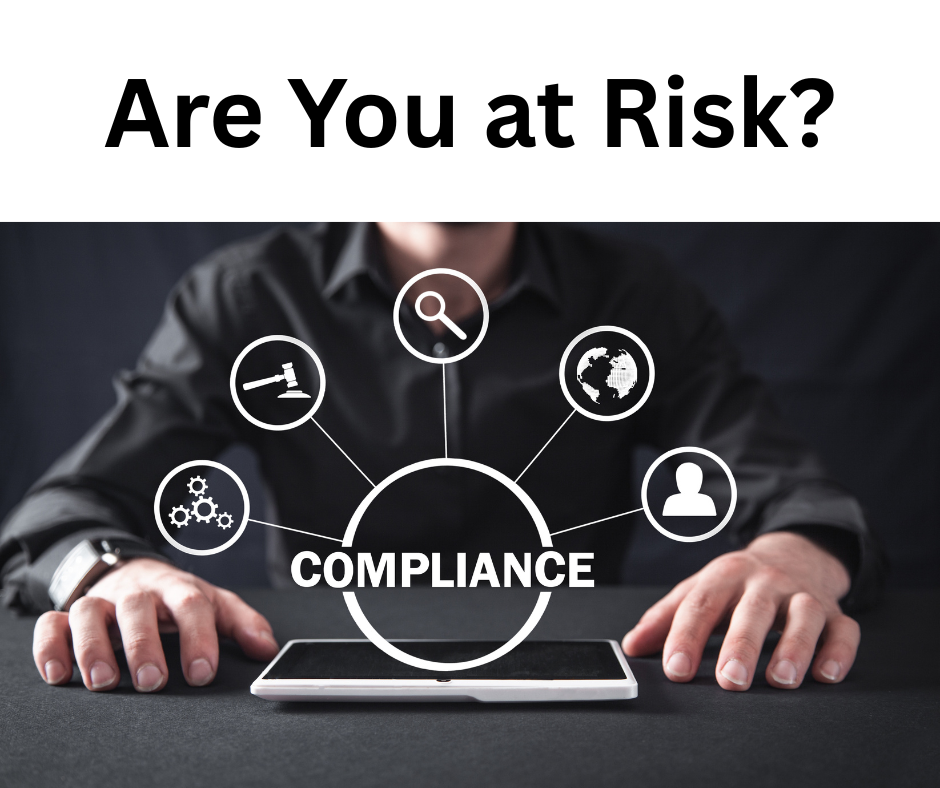
So… Are You at Risk?
Ask yourself:
- Do you have formal, documented SOPs specific to CR packaging?
- Are they version-controlled and audited?
- Do you revalidate after material or tooling changes?
- Is production torque monitored and recorded?
- Can you produce compliance documentation within 24 hours?
If the answer to any of these is “no” or “I’m not sure,” you are exposed.
What Strong Organizations Do Differently
Leading companies:
- Integrate CR packaging validation into Quality Management Systems
- Require requalification after any process or material change
- Maintain supplier agreements tied to compliance standards
- Conduct periodic child-resistance performance testing
- Train operations teams specifically on CR risk
They treat child-resistant packaging not as a packaging feature—but as a regulated safety control system.
Final Thought
Standard Operating Procedures are not bureaucracy.
They are legal armor. They are operational discipline. They are child safety safeguards.
And in this category, failure is not measured in returned products.
It is measured in lawsuits, multimillion-dollar recalls, regulatory sanctions—and potentially the life of a child.
Are you confident your SOPs would stand up in court?
If not, now is the time to act.
If you have any questions regarding child-resistant packaging and how to meet child-resistant package regulations - call the global leader - Bird Dog Marketing Group LLC. at 717-615-9022 or email sales@birddogmarketinggroup.com.
Bird Dog Marketing Group is an international industry leader in Child Resistant (CR) and Senior Adult Use Effectiveness (SAUE) protocol testing. For over 55 years, we have been providing comprehensive research and testing services and have a record of success in safety and child-resistant package testing. We have tested and evaluated thousands of different package types, including unit dose packages, pouches, bottles, and containers with a variety of closures, aerosol cans, pump dispensers and more.
Our team provides an assurance of quality, accuracy, and hyper-focused attention to detail for all package testing.