Child-Resistant Packaging: A Critical Engineering Control in Preventing Pediatric Poisoning

Despite decades of progress in product safety, accidental pediatric poisonings remain a significant public health concern. Young children, particularly those under five years of age, continue to experience unintentional exposures to pharmaceuticals, household chemicals, agricultural products, cannabis products, and other hazardous consumer goods. While education and proper storage remain important preventive measures, engineering controls continue to provide one of the most reliable layers of protection.
Among these controls, child-resistant (CR) packaging has proven to be one of the most successful passive safety interventions ever implemented.
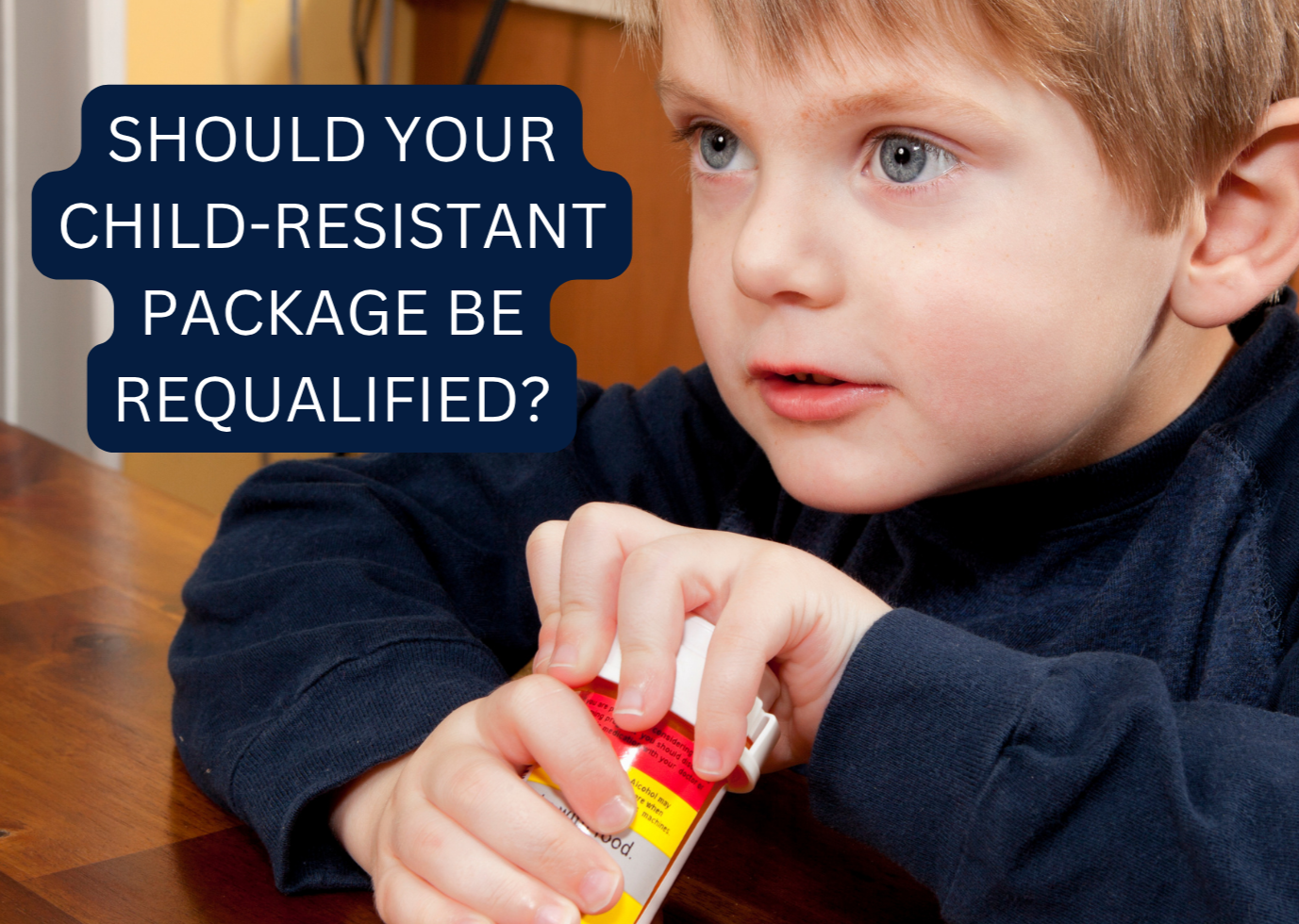
Unlike behavioral controls that rely on consistent human actions, child-resistant packaging functions as an engineered barrier. Properly designed closures and package systems significantly reduce the probability that a young child can access hazardous contents during the critical time following product discovery. The objective is not to create a "child-proof" package—no such package exists—but rather to delay or prevent access long enough for adult intervention.
This philosophy forms the basis of the Poison Prevention Packaging Act (PPPA) and the regulations contained in 16 CFR Part 1700, which require many hazardous household substances and pharmaceuticals to be marketed in child-resistant packaging. Similar performance-based standards have been adopted internationally through ISO 8317 (reclosable packages) and EN 862 (non-reclosable packages), creating globally recognized benchmarks for child-resistant and senior-friendly package performance.
The effectiveness of child-resistant packaging is grounded in human factors engineering rather than simply increasing package strength. Successful CR systems are designed to require combinations of cognitive understanding, hand strength, dexterity, coordination, and sequential actions that exceed the capabilities of most children under five years of age while remaining accessible to adults, including older adults.
Common design features include:
- Simultaneous push-and-turn mechanisms
- Squeeze-and-turn closures
- Alignment or multi-step opening systems
- Hidden release mechanisms
- Sequential opening actions
- Blister systems requiring specific force and manipulation
- Flexible pouch systems incorporating certified CR zippers or locking mechanisms
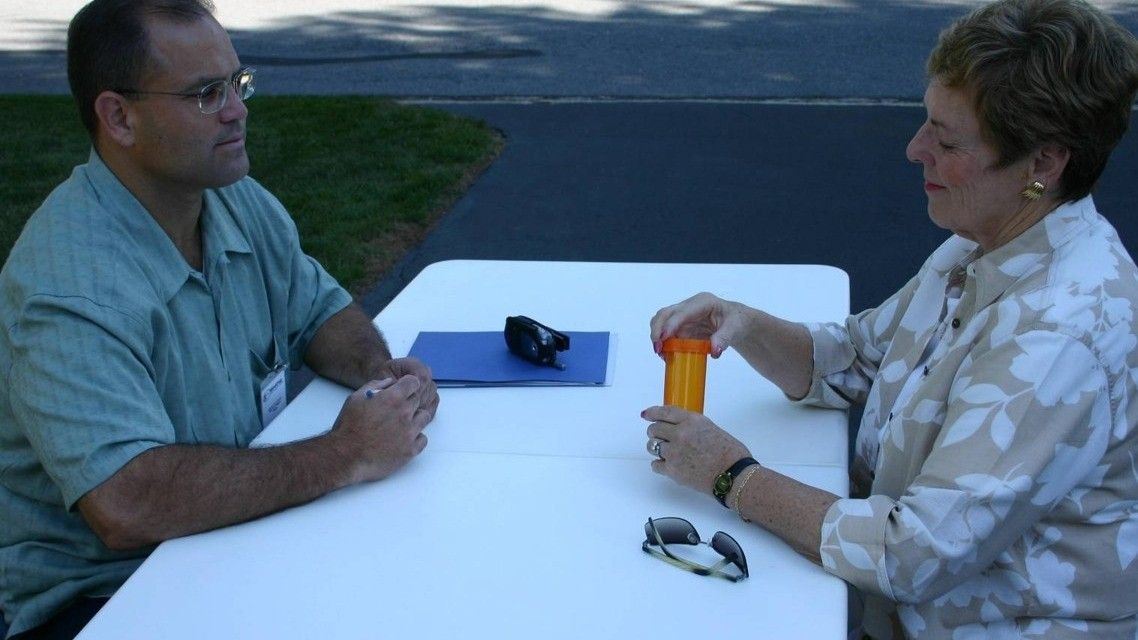
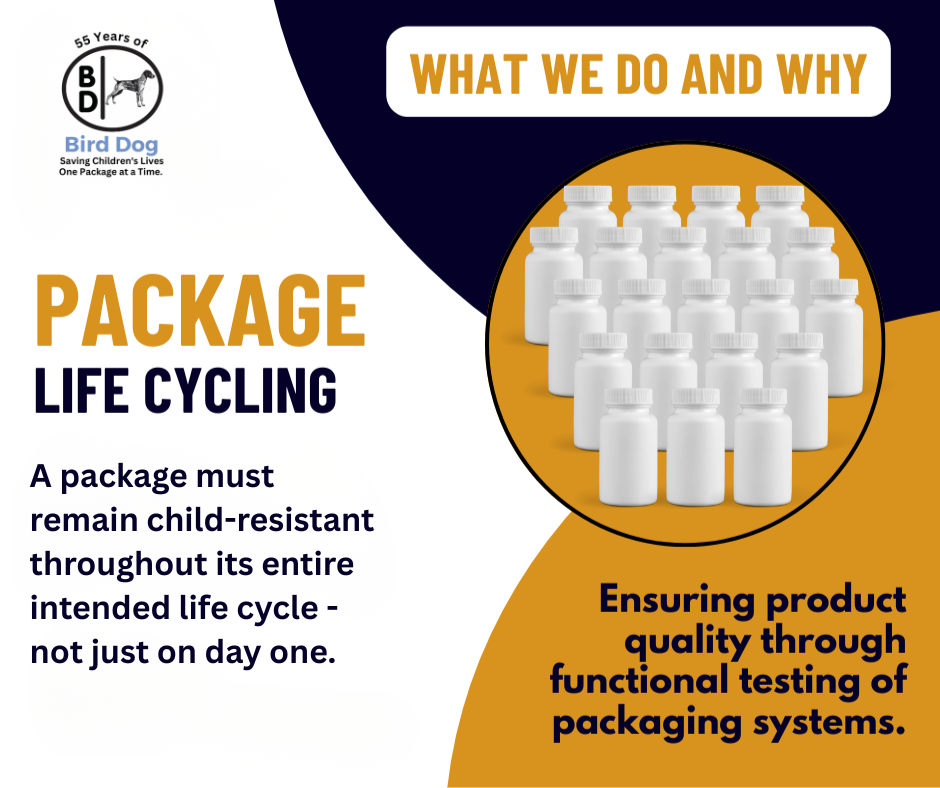
Each design is evaluated using standardized protocol testing involving both children and adults. Certification is based on statistically validated human performance—not theoretical design assumptions. Testing measures the percentage of children who are unable to gain access within prescribed time intervals while simultaneously confirming that adults, including senior users, can successfully open and properly resecure the package.
As product categories continue to evolve, maintaining effective child-resistant performance has become increasingly complex. Today's marketplace includes products with higher concentrations of active ingredients, novel dosage forms, and packaging formats that did not exist when many regulations were originally developed.
Examples include:
- High-potency prescriptions pharmaceuticals
- Over-the-counter medications
- Cannabis flower, concentrates, edibles, beverages, and tinctures
- Nicotine pouches and vaping products
- Laundry detergent pods and concentrated cleaning formulations
- Agricultural pesticides and herbicides
- Industrial and commercial chemicals
- Automotive fluids
- Essential oils and concentrated botanical extracts
- Vitamins and dietary supplements containing potentially toxic levels of iron or other ingredients
The rapid growth of cannabis products illustrates why packaging engineers must continually adapt CR technologies. Edibles frequently resemble traditional confectionery products in appearance, texture, aroma, and flavor, increasing the likelihood of accidental ingestion by children. In these cases, effective child-resistant packaging becomes a critical component of the overall product safety strategy alongside labeling, dosing controls, and consumer education.
From a manufacturing perspective, implementing child-resistant packaging involves far more than selecting a certified closure. Overall package performance depends upon numerous variables, including:
- Closure design and molding tolerances
- Container neck finish compatibility
- Application torque specifications
- Liner and induction seal performance
- Material compatibility throughout product shelf life
- Environmental conditioning
- Transportation and distribution impacts
- Reclosure integrity after repeated consumer use
- Ongoing quality verification and process validation
Even relatively small deviations in manufacturing parameters can adversely affect child-resistant performance. Maintaining compliance therefore requires robust quality systems, statistical process control, closure torque verification, packaging validation, and periodic performance monitoring throughout commercial production.
The continued expansion of sustainable packaging presents another engineering challenge. Manufacturers are increasingly transitioning to lightweight materials, post-consumer recycled (PCR) resins, bio-based polymers, and reduced-plastic designs. While these initiatives support environmental goals, every material or structural modification has the potential to alter child-resistant performance and should be evaluated through appropriate validation testing before commercialization.
For manufacturers, child-resistant packaging should never be viewed solely as a regulatory obligation. It represents an essential risk mitigation strategy that protects consumers, reduces liability, supports regulatory compliance, and reinforces confidence in product quality and brand integrity.
The most effective child-resistant package is one that consistently performs under real-world conditions, not simply one that passes qualification testing. Achieving that level of performance requires collaboration among packaging engineers, product designers, regulatory specialists, quality professionals, closure manufacturers, and testing laboratories throughout the product lifecycle.
As new products enter the market and consumer expectations continue to evolve, innovation in child-resistant packaging must remain focused on its primary objective: preventing children from accessing hazardous products before an accidental poisoning can occur.
Engineering safer packaging is not simply about meeting a specification; it is about designing systems that protect the most vulnerable consumers.
If you have any questions regarding child-resistant packaging and how to meet child-resistant package regulations - call the global leader - Bird Dog Marketing Group LLC at 717-615-9022 or email sales@birddogmarketinggroup.com.
Bird Dog Marketing Group is an international industry leader in Child Resistant (CR) and Senior Adult Use Effectiveness (SAUE) protocol testing. For over 57 years, we have been providing comprehensive research and testing services and have a record of success in safety and child-resistant package testing. We have tested and evaluated thousands of different package types, including unit dose packages, pouches, bottles, and containers with a variety of closures, aerosol cans, pump dispensers and more.
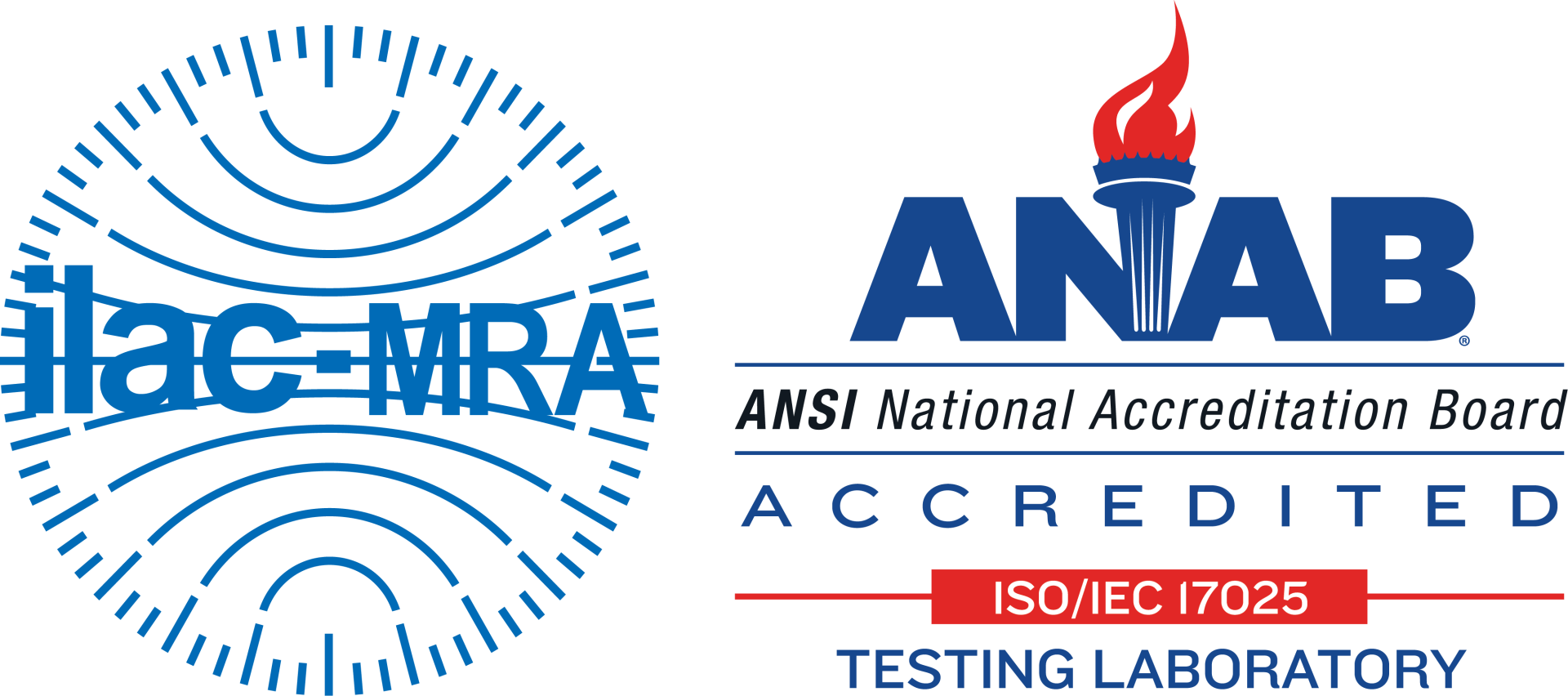
Our ISO 17025 accredited team provides an assurance of quality, accuracy, technical competence, impartiality, and consistent, valid results.