Navigating Child-Resistant Package Testing During COVID-19

Mark Perkins • February 22, 2021

Navigating Child-Resistant Package

Testing During COVID-19

March 2020 came in like a lion and hit us all like an F5 tornado. No one could have imagined the toll that a global pandemic would take on everyone; it turned lives upside down.


After the first few weeks of shock, we all realized this was not going to end any time soon, and together we had to figure out a way to move forward with life and business – especially an essential business like ours. 


During this time, accidental child poisonings were beginning to rise due to children being at home because of daycare closures. Product launches on critical items were in the pipeline and needed child-resistant (CR) package testing to meet proper compliance to ship. Some of these were vital pharmaceutical medications, household chemicals, etc., that are essential and possibly lifesaving. Child-resistant packaging is required per the Poison Prevention Packaging Act (PPPA) of 1970 to help prevent accidental child poisonings. PPPA is one of the government's most successful programs to protect our children. These packages must be tested to show the package is child-resistant and adult-friendly (easy to open and close properly) before making them available in the marketplace.


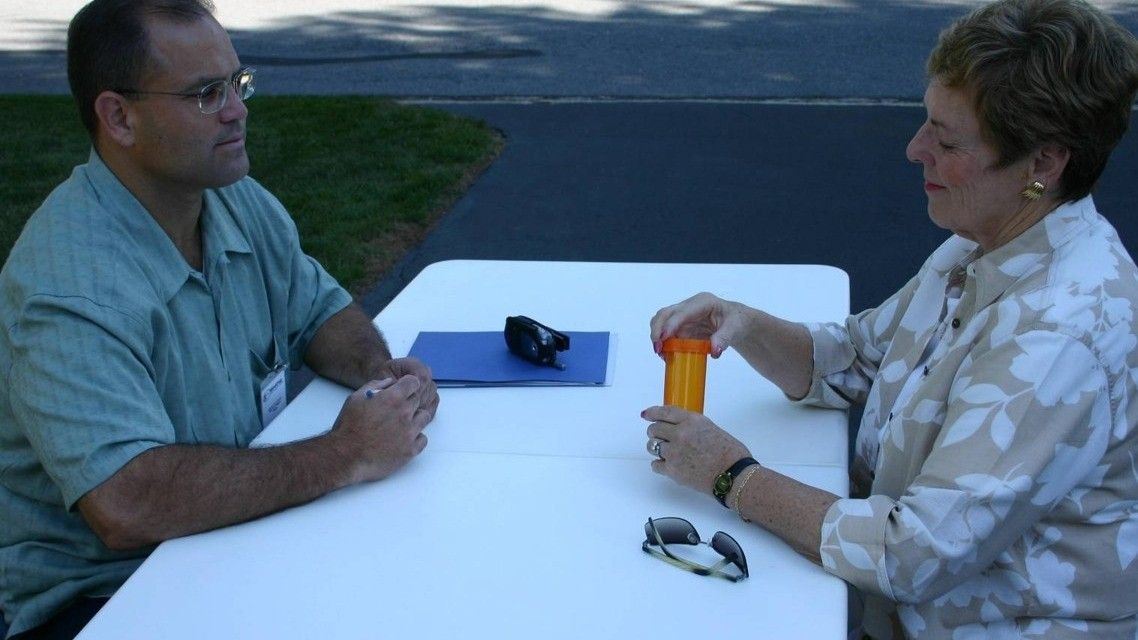
For those that do not know, Child-Resistant/Adult Friendly package testing is a human-to-human test requiring our team to watch the testing process and document the time it takes to open the package. There is no way to do this virtually. Generally, children 42-51 months of age participate in testing while in daycares and preschools. Adults 50-70 years of age test packages at places like churches, social events, fundraisers, and retail outlets. Because of this way of testing - SHUT DOWN is not something you want to hear in the CR world.


Unusual times call for unusual measures. With the shutdown in place, Bird Dog Marketing Group and other accredited testing agencies across the nation worked together to successfully get an Emergency Stay Of Enforcement of the PPPA from the CPSC until December 25, 2020. We then received an extension until June 25, 2021. COVID will depend on whether this gets extended again. 


What does the Stay Of Enforcement mean? The PPPA has precise guidelines regarding the number of testing locations/proctors for each test which was difficult to meet during this challenging time. Alternatives were suggested that ensured packages were being appropriately tested but with some flexibility regarding location guidelines. Our goal was to reduce the number of interactions between the proctor, the children, and the adults testing while still meeting the spirit and heart of the Poison Prevention Packaging Act (PPPA). Adult/Child tester safety due to COVID-19 concerns and the on-going priority of saving children from accidental poisoning through certified package testing was always our guide.


Due to the Stay of Enforcement, we now had options for alternate testing methods to help reduce possible COVID exposures. The CPSC allowed us to temporarily use single sites and use international standards like ISO 8317, EN 14375, and CSA Z76.1. 


Fortunately, today we know a lot more about COVID-19 and how to help prevent the spread. Although we still have a long way to go to get through the pandemic, there are creative ways to move forward safely while still meeting the requirements to prove both child resistance and senior friendliness to help launch or requalify products. Safety has always been our guiding light, but now more than ever, for both the proctors and those participating in the testing. We have stocked up on face masks, face shields, gloves, hand sanitizers, infrared thermometers, and sanitizing cleaning solutions. PPE, social distance, and proper cleaning have become essential tools for testing.


We moved forward slowly and safely. Adult testing surprised us. The people that were the ones we wanted to protect the most for being vulnerable were ready to get out and live their lives. They were more than happy to test packages, especially to help save children's lives.

That was great, but we still needed access to children to complete the package testing process. This aspect has been the biggest challenge across the globe. Remember, this is human to human testing, and these are our children, our future. Many parents were still nervous, and rightfully so, but the increase in child poisonings could not be ignored. We had to resume testing. With the support and recommendations of state and local government, the CPSC, and CDC, we began to move forward. Everything we do follows CDC guidelines for the safety of all.  Luckily, ingenuity is the mother of invention, and we have found creative ways to test children again.


What you should do in the current world of COVID if you need CR package testing:

CALL US at 717-615-9022 or 717-475-9751. We are here to answer questions and help you through the process. With our 50+ years of experience in CR package testing, we can work with you to meet your package testing goals. We are also offering a personal Child-Resistant and Senior-Adult Friendly Package Testing Webinar for your company to review the entire process virtually. 


Remember, planning and communication are more important than ever before as we are now in a new global pandemic world. We still do not know when this virus is going to end, so you need to be prepared and make sure your project has plenty of time for testing. Timelines are fluid, so be ready with samples, package specifications, placebos, and updated purchase orders.


Child Resistant Package Testing is not going away. In fact, it is now more important than ever. Let us all hope COVID restrictions end sooner rather than later. As with any challenge we face - We will get through this TOGETHER.

By Mark Perkins November 20, 2025
The Holidays Are Coming — Let Us Celebrate Safely!
By Mark Perkins October 30, 2025
Every year, thousands of children are rushed to emergency rooms after accidentally ingesting household products or medications that were not properly secured. The incidents are tragic—and often preventable. That is why the Poison Prevention Packaging Act (PPPA) exists. Enacted in 1970 , the PPPA requires that many everyday substances—such as prescription drugs, over-the-counter medications, cleaning products, and certain chemicals—be packaged in child-resistant containers . These are designed to be difficult for young children to open, but accessible for adults. Why the PPPA Matters Before the PPPA, accidental poisonings were one of the leading causes of death among children under five years old in the United States. Since its implementation, the law has saved countless lives by dramatically reducing incidents of accidental ingestion. It is not just about compliance; it is about responsibility. Child-resistant packaging creates a crucial barrier between children's natural curiosity and potentially lethal substances. Even one oversight—one improperly packaged product—can have devastating consequences for a family. It is Not a Recommendation. It is Law! The PPPA is federal law enforced by the Consumer Product Safety Commission (CPSC) . Manufacturers, packagers, and distributors must comply with their requirements. Noncompliance can result in serious legal and financial penalties—not to mention the ethical cost of endangering public safety. Every organization involved in the manufacture or distribution of regulated products should treat PPPA compliance as non-negotiable. This includes ensuring that: All applicable products use approved child-resistant packaging. Packaging designs are tested and certified. Staff are trained in PPPA requirements. Documentation is maintained for audits or inspections. An SOP (Standard Operating Procedure) for your CR testing requirements are strongly recommended. Protecting Children Is Everyone's Duty Child safety should never be taken lightly. The PPPA stands as one of the most impactful public health laws in U.S. history, and it remains just as vital today as it was over fifty years ago. Whether you work in package manufacturing, pharmaceuticals, consumer healthcare, agriculture, chemical, cannabis, retail or any industry that uses special packaging—your role in preventing accidental poisonings matters. Compliance is not optional. It is the law , and more importantly, it is a commitment to protecting the most vulnerable among us. If you have any questions regarding child-resistant packaging and how to meet child-resistant package regulations - call Bird Dog Marketing Group LLC at 717-615-9022 or email sales@birddogmarketinggroup.com. Bird Dog Marketing Group is an international industry leader in Child Resistant (CR) and Senior Adult Use Effectiveness (SAUE) protocol testing. For over 55 years, we have been providing comprehensive research and testing services and have a record of success in safety and child-resistant package testing. We have tested and evaluated thousands of different package types, including unit dose packages, pouches, bottles, and containers with a variety of closures, aerosol cans, pump dispensers and more. Our team provides an assurance of accuracy and hyper-focused attention to detail for all package testing.
By Mark Perkins September 15, 2025
Our Commitment to Quality and Innovation
Hands outstretched with a globe hovering above.
By Mark Perkins April 28, 2025
Since 1969, Bird Dog Marketing Group has emerged as a global leader in child-resistant (CR) package testing.
Photo of computer laptop screen, tiny shopping cart holding medicine bottles.
By Mark Perkins March 13, 2025
As e-commerce continues to surge, the importance of child-resistant packaging has never been more critical.
Photograph of colorful question marks and words.
By Mark Perkins November 19, 2024
The Poison Prevention Packaging Act (PPPA), enacted in 1970, is one of the cornerstones of child safety regulations in the United States. Its primary goal is to prevent children from accessing hazardous household substances like medications, household chemicals, and other toxic products. As part of this initiative, the law requires certain products to be packaged in child-resistant containers. The question is: how did the government determine the specific age ranges of children who should be tested for these packaging requirements?
Young child sitting on the floor with open medicine containers.
By Mark Perkins November 4, 2024
The Poison Prevention Packaging Act: A Milestone in Child Safety
Photo of spray bottle for cleaning supplies and words reading Child-Resistant, Not Child-Proof.
By Mark Perkins October 17, 2024
Dispelling the Myth: Why There is No Such Thing as Child-Proof Packaging. In the realm of product safety, particularly concerning items like medications, household cleaners, and chemicals, the term "child-proof packaging" is commonly used. However, despite its widespread usage, the concept of truly child-proof packaging is a misnomer. We will delve into why there's no such thing as completely child-proof packaging and what measures can be taken to enhance child safety.
Young girl in a ballet outfit sitting on a windowsill looking outside.
By Mark Perkins October 17, 2024
Every year, thousands of children under the age of five face serious health risks due to unintentional poisonings. This article will review the statistics, explain how child-resistant packaging works, and detail how parents can help keep their children safe from accidental poisoning.
People sitting at an expo booth with banner sign behind them requesting help for package testing.
By Mark Perkins June 5, 2024
Our test proctors administering adult-use package testing are often asked, “Why are you only testing adults 50-70 years of age?” Here’s the story behind that decision. When the U.S. Congress passed the Poison Prevention Packaging Act of 1970 (PPPA), the Consumer Product Safety Commission (CPSC) required child-resistant packaging for specific drugs and household chemicals that could harm children. Package manufacturers developed and introduced new child-resistant packaging to comply with the requirements. Per the PPPA, the specialty packaging required certification that they were child-resistant. At the time, the adult-use effectiveness portion of the package test protocols included adult test subjects 18-45 years of age, a significant change from our current adult-use effectiveness subjects who are 50-70.